

tinted laminated glass
Understanding Flow Control Valve Types Flow control valves play a critical role in managing fluid flow in various industries, from manufacturing to aerospace. These devices regulate the flow rate of liquids or gases, ensuring that systems operate efficiently and safely. With diverse applications, it is essential to understand the different types of flow control valves, their functions, and the contexts in which they are used. Types of Flow Control Valves 1. Globe Valves Globe valves are one of the most common types of flow control valves. They are characterized by a spherical body shape that helps optimize the flow direction. The internal baffle and the disc allow for precise control of flow rates, making them suitable for throttling applications. Globe valves are often used in water supply systems and industrial processes where flow regulation is essential. 2. Ball Valves Ball valves use a spherical ball with a hole through its center to control flow. When the ball is rotated, it either allows flow through the valve or blocks it completely. Ball valves are popular because they provide a quick shut-off capability and low fluid resistance when open. They are commonly used in oil and gas industries, plumbing, and HVAC systems. 3. Gate Valves Gate valves, as their name suggests, function similarly to a gate. They consist of a flat gate that is raised or lowered to start or stop fluid flow. While gate valves are excellent for fully open or closed positions, they are not ideal for throttling applications, as they can cause wear and tear. Their best use cases are in pipelines where a complete shutoff is necessary, such as in water distribution systems. 4. Check Valves Check valves are essential for preventing backflow in piping systems. They automatically close if the flow in the reverse direction occurs, ensuring that the system operates efficiently without the risk of contamination. Check valves are commonly found in water pumps and sump pumps to prevent backflow that can compromise system integrity. 5. Butterfly Valves Butterfly valves consist of a rotating disc that regulates flow. When the disc is perpendicular to the flow, it blocks the flow; when it is parallel, it allows fluid to pass. These valves are lightweight and can be quickly operated, making them suitable for large pipes where space and weight are considerations. Common applications include HVAC systems and water treatment facilities. flow control valve types 6. Pressure Relief Valves Pressure relief valves are designed to prevent overpressure in systems. They automatically open when the pressure exceeds a predetermined level, allowing excess pressure to escape and protecting the system from damage. These valves are crucial in various applications, such as boilers and pressure vessels, ensuring operational safety. 7. Proportional Control Valves Proportional control valves allow for precise control based on varying input signals, such as pressure or temperature. They adjust flow rates in real-time, commonly used in process control, robotics, and automated systems. Their ability to maintain consistent performance across varying operating conditions makes them invaluable in advanced applications. Choosing the Right Flow Control Valve Selecting the appropriate flow control valve depends on several factors, including the type of fluid being controlled, the flow rate requirements, and the specific application environment. It is vital to consider parameters such as temperature, pressure, and material compatibility to ensure optimal performance. Additionally, understanding the installation requirements and maintenance considerations is essential. Some valves, like gate valves, require more significant space for operation, while others, like butterfly valves, are more compact. Maintenance needs can vary widely; some valves may need routine inspections and repairs, while others are designed for long-lasting performance with minimal upkeep. Conclusion Flow control valves are integral components in various fluid systems, playing a pivotal role in maintaining operational efficiency and safety. By understanding the different types of flow control valves—globe, ball, gate, check, butterfly, pressure relief, and proportional control—engineers and technicians can make informed decisions in designing and maintaining fluid systems. With the right valve in place, industries can ensure optimal performance, reliability, and safety in their operations, contributing to successful outcomes across different applications. As technology advances, the development of new valve designs and controls will continue to enhance fluid management solutions worldwide.
about
tinted laminated glass
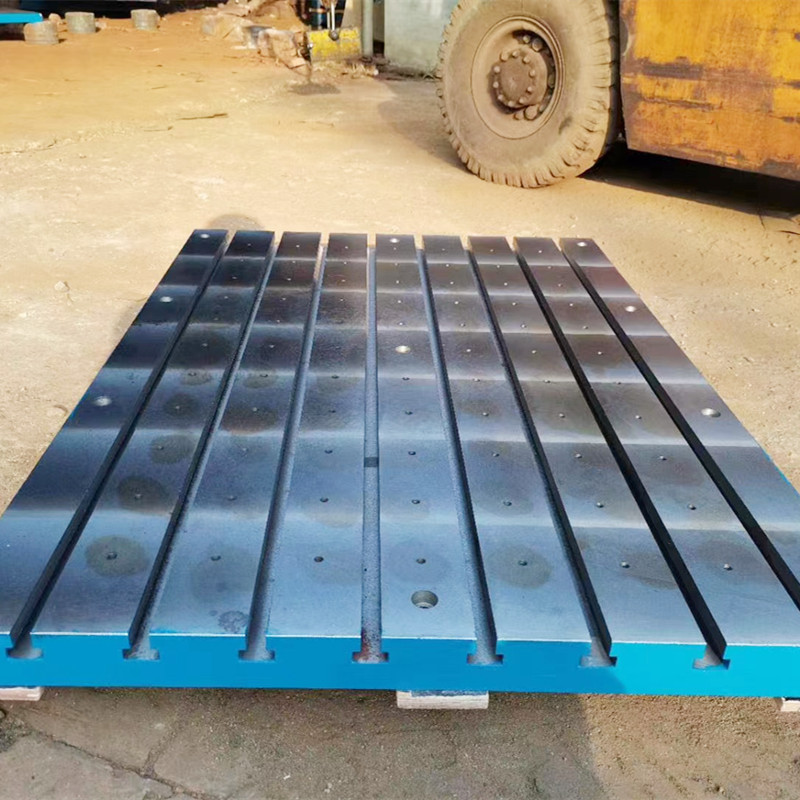
Understanding Precision Surface Plates A Key Tool in Metrology Precision surface plates are vital instruments in the field of metrology and manufacturing, providing a stable and accurate reference plane for various measuring and checking tasks. These plates are essential for a wide array of applications, including dimensional inspection, assembly work, and the calibration of measuring instruments. In this article, we will explore the importance, characteristics, and applications of precision surface plates, as well as best practices for their maintenance. The Importance of Precision Surface Plates Precision surface plates serve as a foundational tool for ensuring accuracy in measurements. Their primary purpose is to provide a consistent flat surface against which other objects can be measured or verified. This is crucial in industries such as aerospace, automotive, and electronics, where even the slightest measurement error can lead to significant issues in product quality, safety, and performance. When an object is placed on a precision surface plate, it can be measured using various techniques, such as calipers, micrometers, or coordinate measuring machines (CMMs). The flatness and stability of the surface plate allow for reliable measurements, helping to ensure that components fit together properly and function as intended. Characteristics of Precision Surface Plates Precision surface plates are typically made from materials like granite, cast iron, or steel. Each material has its advantages 1. Granite Known for its exceptional hardness and resistance to wear, granite is a popular choice for precision surface plates. It is also stable under varying temperature conditions, which is essential for maintaining accuracy over time. 2. Cast Iron Cast iron plates are durable and can offer good vibration damping properties. However, they may require more maintenance to prevent rust and wear compared to granite surfaces. 3. Steel Steel plates are often less expensive and can be very rigid. However, they are susceptible to corrosion and may not provide the same level of accuracy and longevity as granite or cast iron options. Common features of precision surface plates include - Flatness The surface must be within a specific tolerance to ensure accurate measurements. - Hardness The material must resist wear and deformation over time. - Size and Shape Plates come in various sizes, depending on the application, with most designed as rectangular or square shapes. Applications of Precision Surface Plates precision surface plate Precision surface plates are used in various applications across different industries 1. Inspection and Measurement They are used extensively in quality control to measure the flatness of workpieces and to perform precise dimensional checks. 2. Assembly and Layout In assembly tasks, surface plates provide a level reference for accurately aligning components before fastening or machining. 3. Calibration Surface plates are often used to calibrate measuring instruments, ensuring that they produce reliable and accurate readings. 4. Manufacturing In manufacturing settings, they serve as a base for CNC machines and other tools to ensure that parts are produced to the required specifications. Best Practices for Maintenance To ensure the longevity and accuracy of precision surface plates, proper maintenance is essential - Regular Cleaning Surface plates should be cleaned regularly to remove dust and debris. This prevents contamination that can affect measurement accuracy. - Periodic Calibration Regular calibration checks are necessary to ensure the surface plate maintains its specified flatness and does not degrade over time. - Avoiding Damage Care should be taken to avoid dropping heavy objects on the surface plate, as this can cause chips or dents that impact flatness. - Environmental Control It’s important to store surface plates in a controlled environment, away from extreme temperatures and humidity, to prevent material expansion or contraction. Conclusion Precision surface plates are indispensable tools in the realm of precision measurement and manufacturing. Their ability to provide a stable and flat reference surface is critical for achieving accuracy in various applications. By understanding their characteristics, applications, and maintenance requirements, industries can ensure they make the most of these essential measuring instruments, ultimately leading to improved product quality and operational efficiency. In a world where precision matters more than ever, the significance of precision surface plates cannot be overstated.
-

High quality industrial productsagement

High quality industrial products
View Details -

Meet the diverse needs of customers

Meet the diverse needs of customers
View Details -

Strict quality control

Strict quality control
View Details -

Top raw materials

Top raw materials
View Details -

Trusted supplier

Trusted supplier
View Details
Our application


news and information

Valve anti - retour Baron
Le Vanne à Boule Un Dispositif Essentiel pour la Sécurité des Systèmes Hydraulique La vanne à boule

Y-Type Strainer Featuring a Convenient Drain Valve for Efficient Filtration Solutions
Understanding the Y-Type Strainer with Drain Valve Essential for Efficient Fluid Management In vario
Y filtre en fonte
Le Strainer Y en Fonte Un Équipement Indispensable pour l’Industrie Dans le domaine de l’industrie,
 English